


The Bar-tailed Godwit: Nelson welcomes a remarkable migrant
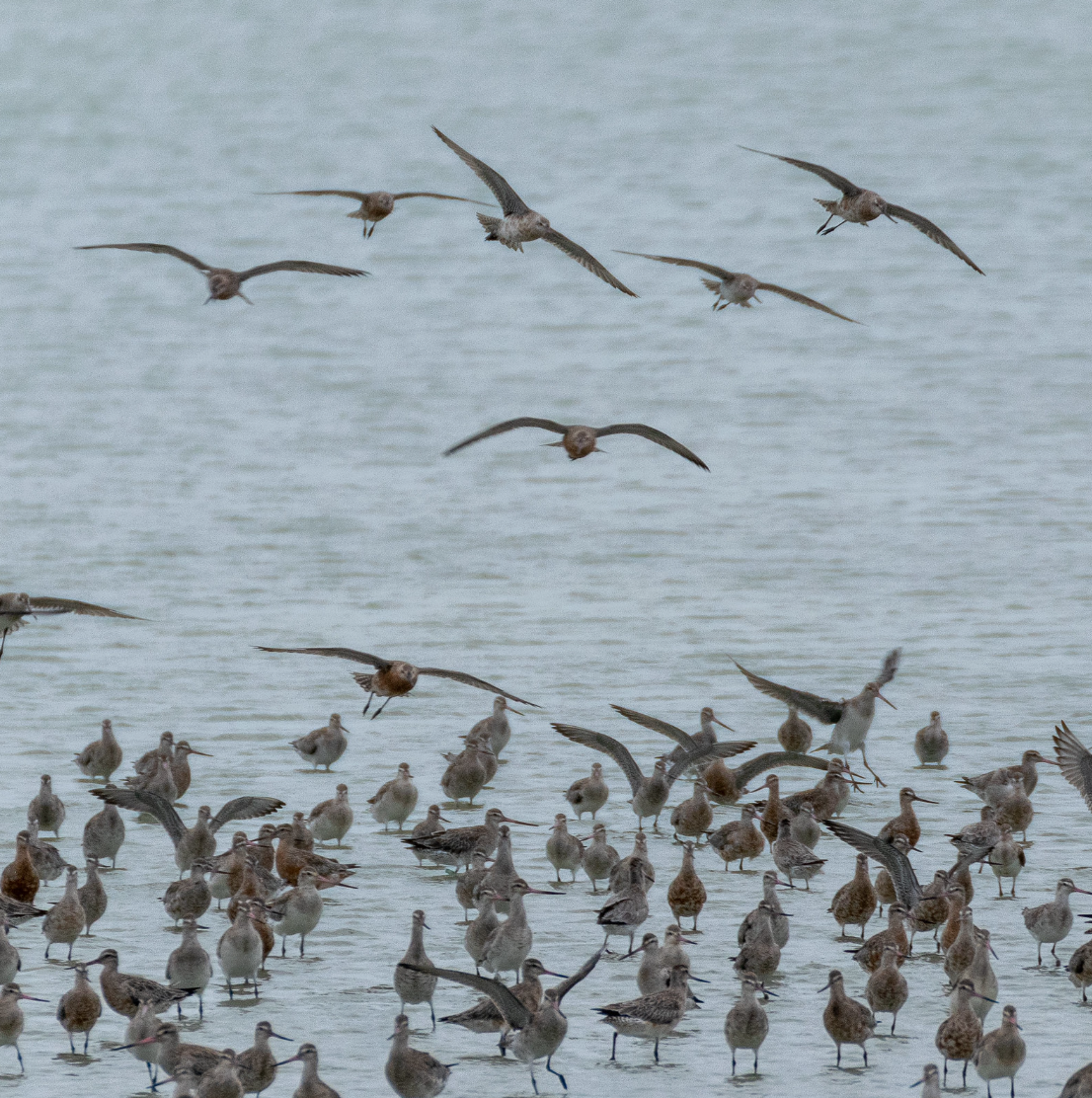
Each spring, Nelson locals eagerly await the arrival of one of Earth’s greatest migratory birds, the Bar-tailed Godwit (Kuaka). These waders soar across the Pacific, flying an incredible 11,000–12,000 km non-stop from Alaska to our shores in a journey that takes eight to nine days without food or rest.
Most godwits land in New Zealand starting from early September, exhausted and hungry but ready to spend the next eight months feeding and roosting on our estuaries and sandspits. Nelson is especially lucky: our region’s coastal habitats are among the godwits’ favourite stopovers.
Why is their return so special?
Bar-tailed Godwits spend the Northern Hemisphere summer breeding in Alaska before returning south for the southern spring and summer. Their migration is the longest non-stop flight recorded for any bird species. Many Nelsonians celebrate their arrival, a true sign that spring is upon us. In recent years, community groups have held rituals, including ringing the cathedral bells, to mark their arrival.
Where to see Godwits in Nelson and beyond:
Some of the best local spots to observe these awe-inspiring travellers are:
- Nelson Haven: An extensive tidal estuary right on the city’s doorstep, where godwits congregate in flocks at high tide roosts. This is the most important high tide roost for this species in Nelson City. As this high tide roost is just off Boulder Bank Drive, it can be easily disturbed. So please keep your distance and ensure your dog is on a lead.
- Waimea Estuary: A rich feeding ground and high tide resting place, accessible from several public walkways.
- Motueka Sandspit: One of the region’s top bird-watching sites, with large numbers of godwits gathering throughout spring and summer.
- Farewell Spit (Golden Bay): Although a bit further afield, this is the most significant site for godwits in New Zealand, hosting thousands of these birds.
Conservation Matters
While still numbering in the tens of thousands, with about 75,000 kuaka visiting New Zealand annually, godwit populations are declining. Habitat loss at key stopover sites along their migratory route poses the greatest threat. Locally, conservation groups and local councils work hard to protect and restore vital estuary habitats, so the godwits have safe places to rest and feed after their marathon journey.
Respect and Enjoy
If heading out to spot the springtime arrival, remember to watch from a respectful distance and keep dogs away; godwits are shy and easily disturbed.
The return of the Bar-tailed Godwit is Nelson’s link to the wilds of Alaska and is a powerful reminder of the need to safeguard our precious estuaries. Their presence each year turns our coast into a sanctuary for both birds and nature lovers. Something worth celebrating!
