


Nelson's forest transformation takes root with 74,000 new trees
Council has made significant progress in its transition away from clear-fell pine forestry, with approximately 74,000 trees planted across the Maitai and Marsden Valleys this winter.
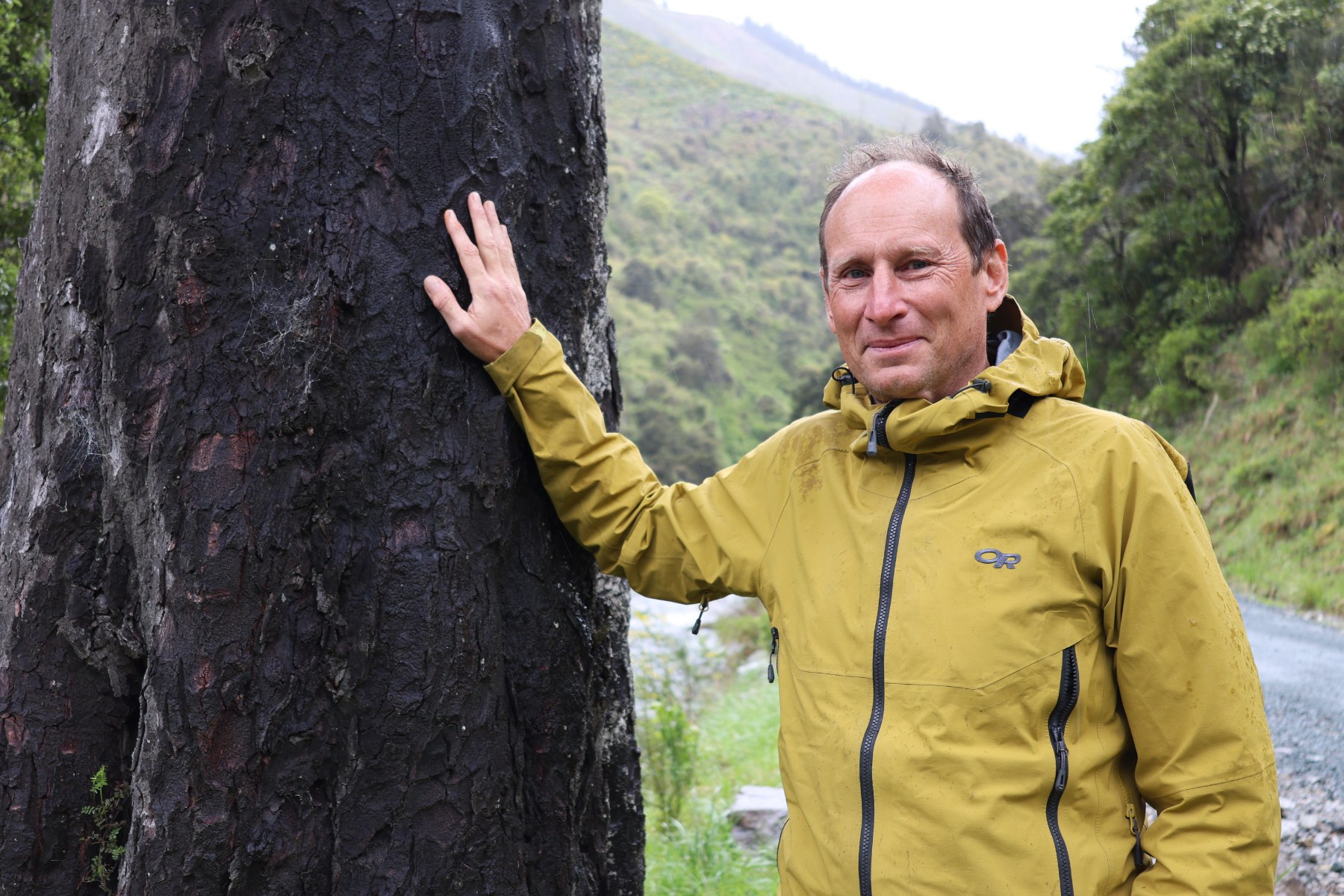
Council’s new forest systems manager, Dr James Griffiths, is leading the ambitious transformation of the 10,000-hectare forest estate. With 20 years of experience in pest management with the Department of Conservation, James joined the role two months ago after council initially struggled to fill the position.
"I'd like people to walk out of the airport and look up at forested hills when they arrive in Nelson, as opposed to something else," says James, describing the long-term vision for the decades-long transition.
This winter's planting saw 38,600 trees in the Maitai Valley and 35,350 in the Marsden Valley. Around 80 per cent were native species, including tōtara, kanuka, and mānuka, with fast-rooting exotics added to speed up slope stabilisation on already-cleared land.
The Maitai Valley faces a "pretty big programme of work" in coming years, focusing on controlling wilding pines and encouraging natural regeneration. Where pine can't be sensibly harvested, the council will gradually poison small clusters and replant with natives, carefully maintaining live biomass to keep hillsides stable.
The highly visible College Block plantation behind Nelson College is a high priority, as the over-mature trees are susceptible to windthrow. James also met with Marsden Valley residents this week to discuss plans for forestry behind their neighbourhood.
The transition will bring multiple benefits: increased resilience during heavy rain, recreational and tourism opportunities, reduced sediment run-off into Tasman Bay, and greater biodiversity.
"It's going to be bloody awesome," James says.
Meanwhile, Glider Road in the Marsden Valley remains closed following a May slip. Geotechnical assessment revealed significant structural issues, with restoration costs estimated at $1.7 million plus $150,000 annually for ongoing maintenance.
Read the full article by Max Frethey from Top of the South Media, on the Nelson App: https://lnkd.in/gGsNrWQx
