


New BioProtect project to survey our coastal biodiversity
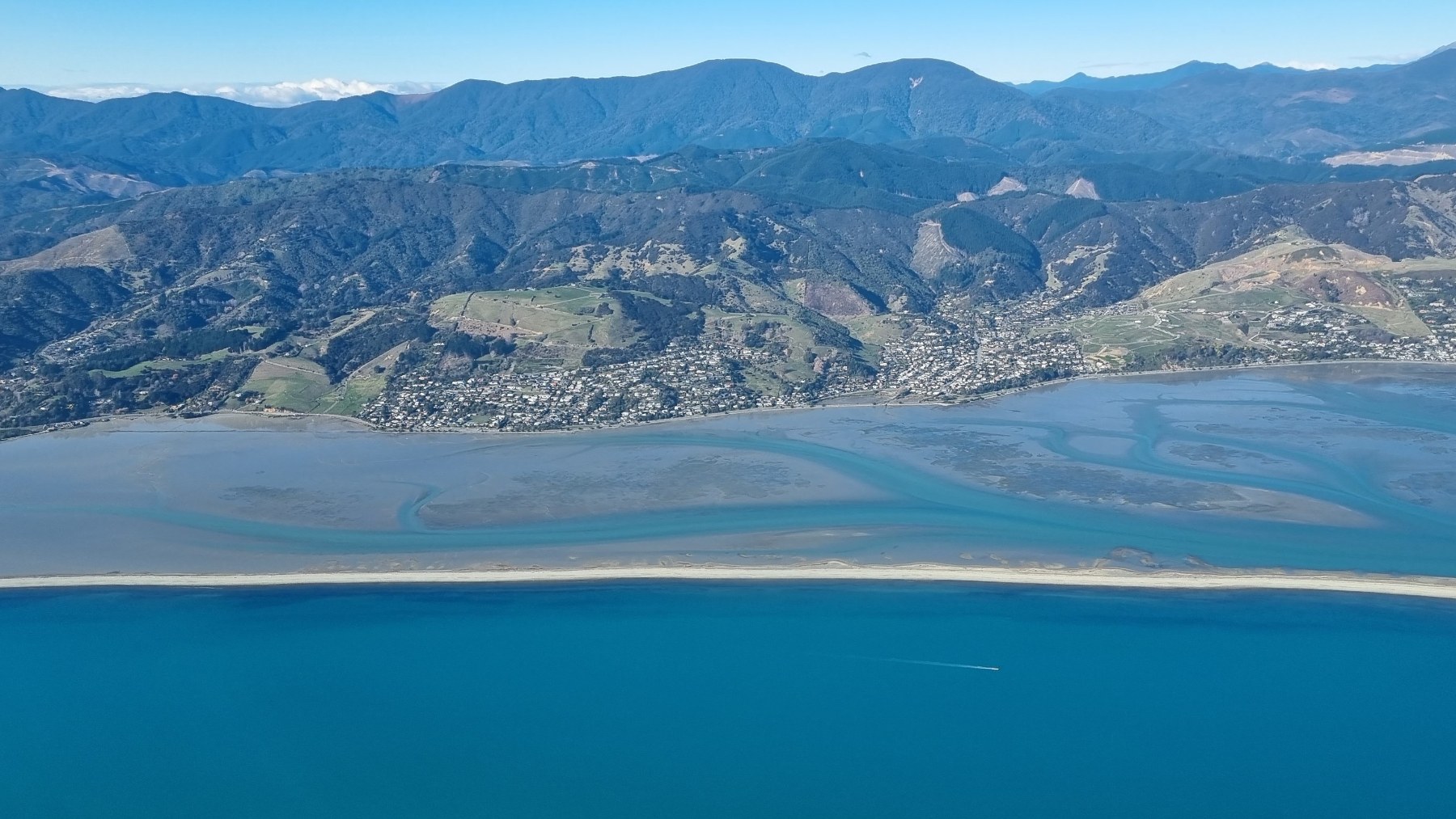
Nelson has become the first New Zealand region to partner with BioProtect, an exciting European Union initiative that's bringing cutting-edge marine science to our local coastline.
What is BioProtect?
BioProtect is part of the EU's Horizon Ocean and Waters Project, designed to help coastal regions develop smart, nature-based solutions for protecting and restoring marine ecosystems. The programme provides partner regions with both funding and expert support to tackle marine conservation challenges.
What's happening in Nelson?
The first stage of Nelson's BioProtect project is an environmental DNA (eDNA) survey of our coastal waters. Think of eDNA as a high-tech way of taking the ocean's fingerprints – by collecting water samples, scientists can detect traces of DNA left behind by marine creatures, giving us a comprehensive picture of who's living in our waters.
The survey will cover a diverse range of coastal areas, from the Te Tai Tapu Marine Reserve and local taiāpure, right through to Port Nelson. This broad approach will help us understand how different types of land use and marine management affect our coastal biodiversity.
Why eDNA?
Traditional marine surveys often require expensive equipment and specialist divers and can still miss elusive species. eDNA sampling offers a cost-effective alternative that can detect even hard-to-find creatures, giving Nelson City Council and our community a much clearer picture of the incredible diversity living along our shores.
Getting started
On 14 November, Cawthron Institute hosted the first planning hui, bringing together stakeholders from across the region. Our own Coastal Scientist, Dr Harry Allard, alongside Cawthron’s project leaders Drs Dan Crosset, Pablo Saenz and Paula Casanovas were there as the group discussed site selection and planned for December's sampling days.
Based on feedback from the hui, several new locations have been added to the survey, including the Wakapuaka River, marine reserve boundaries, and a wider stretch of coastline northwards towards Cape Soucis. The sampling will use a combination of single-point samples and week-long deployments of passive DNA samplers.
What's next?
The December sampling is just the beginning – it will be repeated with a winter follow-up to capture seasonal variations in our marine life. Keep your eyes peeled for opportunities to get involved!
Future stages of the project will introduce additional BioProtect tools, including spatial planning software that can help identify priority areas for marine protection and restoration efforts.
This is an exciting opportunity for Nelson to lead the way in marine conservation, using world-class science to better understand and protect our precious coastal environment.
