


Nature is returning to Paremata Flats, the results are remarkable
A quiet patch of land near Cable Bay is becoming one of Nelson's most exciting conservation success stories, and a recent community BioBlitz has revealed just how far the recovery has come.
Paremata Flats, just north of Nelson, has been the focus of a dedicated restoration effort for the past 15 years.
Volunteers from the Paremata Weeding Group and Forest and Bird Nelson Tasman have worked alongside conservation contractors and Council staff to transform what was once grazed farmland into a regenerating native forest.
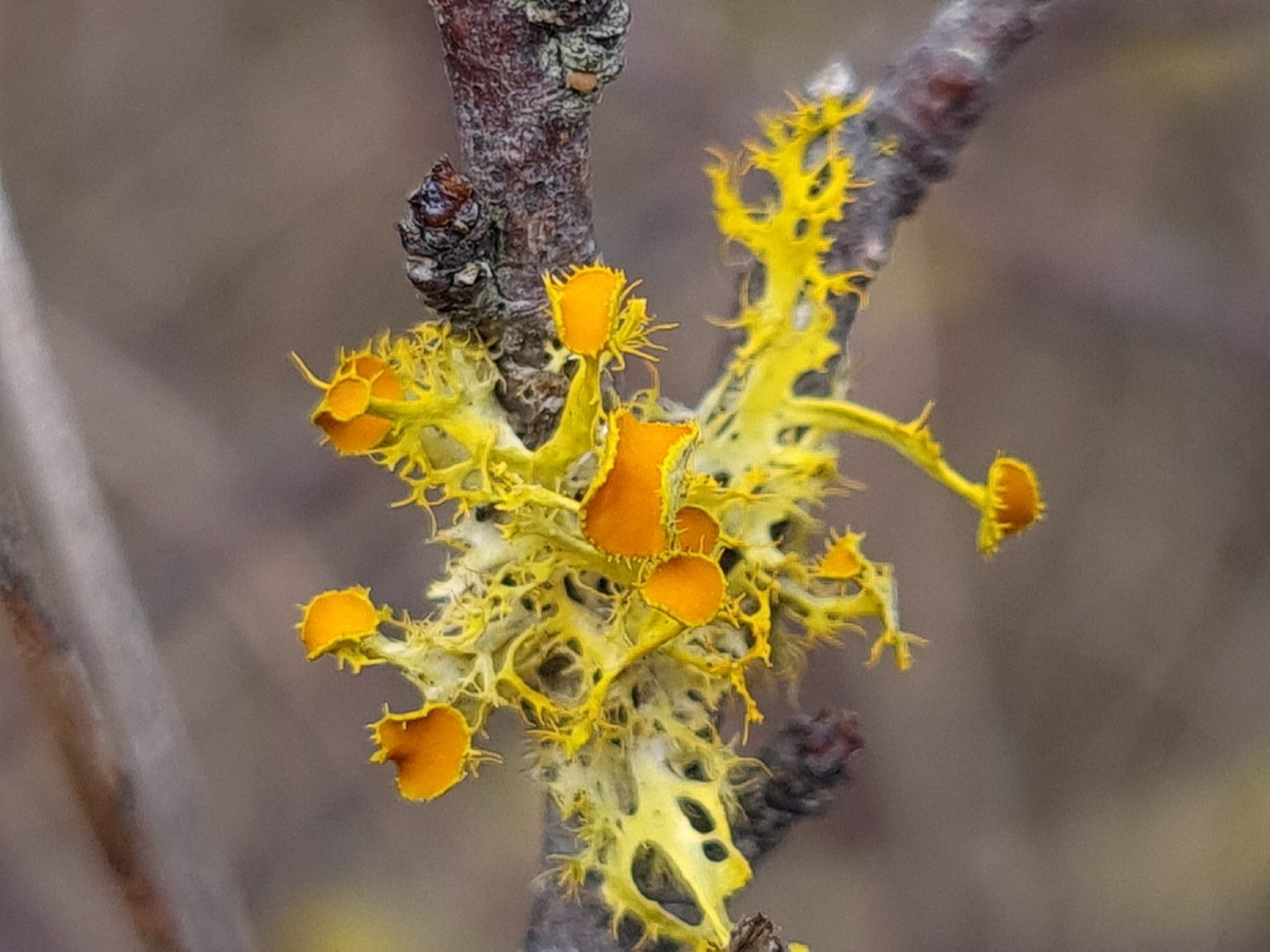
A BioBlitz is an event where participants try to find and identify as many species as possible in one area. More than 400 different species of plants, birds, fish, insects, fungi and more have now been recorded at the site.
Most of the trees are still young, but signs of life are everywhere. Hundreds of small holes created by tunnelling mud crabs dot the ground beneath the canopy. Patient observers caught glimpses of shy mātātā (fernbird) moving through thickets of ribbonwood, while moho pererū (banded rail) foraged along the estuary margin.
At the head of the estuary, the salt marsh forms a vital transition zone between the marine and land environments. Intact examples of this habitat are increasingly rare, with around half of the salt marsh in this estuary lost over the past 40 years.
Inside the regenerating forest, native species are now self-seeding naturally. Nikau, tōtara, and native passionfruit are taking hold without any help, a sign the ecosystem is finding its feet. Insect life has followed, with wētā, stick insects, native ants, and a wide variety of moths that depend on indigenous forest all recorded during the BioBlitz.
"What really stood out during the BioBlitz was seeing how quickly native species are responding to the restoration work," says Scott Butcher, Council’s coastal ecologist and environmental programmes adviser. "The volunteers who have given their time to this place over the years should feel genuinely proud. The forest is still young, but nature is already moving in."
There is still work to do. Exotic weeds remain, particularly around the pasture edges, and the forest is still in its early stages. But the overall picture is one of genuine momentum.
Nature has noticed the effort being made at Paremata Flats and is cautiously reclaiming the space. With continued care, this site has the potential to become a healthy lowland forest and a home for some of our most threatened native species.
Curious about what was found? Explore the full species list at iNaturalist.
