Four years on: Nelson's slip recovery programme complete
Nelson City Council has completed its post-storm significant landslip recovery programme two years ahead of schedule and four years after the August 2022 weather event that damaged 570 properties, triggered 550 landslips, red-stickered 109 homes, and triggered 18 significant slips on Council-owned land within the Nelson urban area.
Since the event, Council has completed more than 45 resilience and recovery projects, from flood repairs and retaining walls to intake and culvert upgrades, all contributing to a more resilient Nelson.
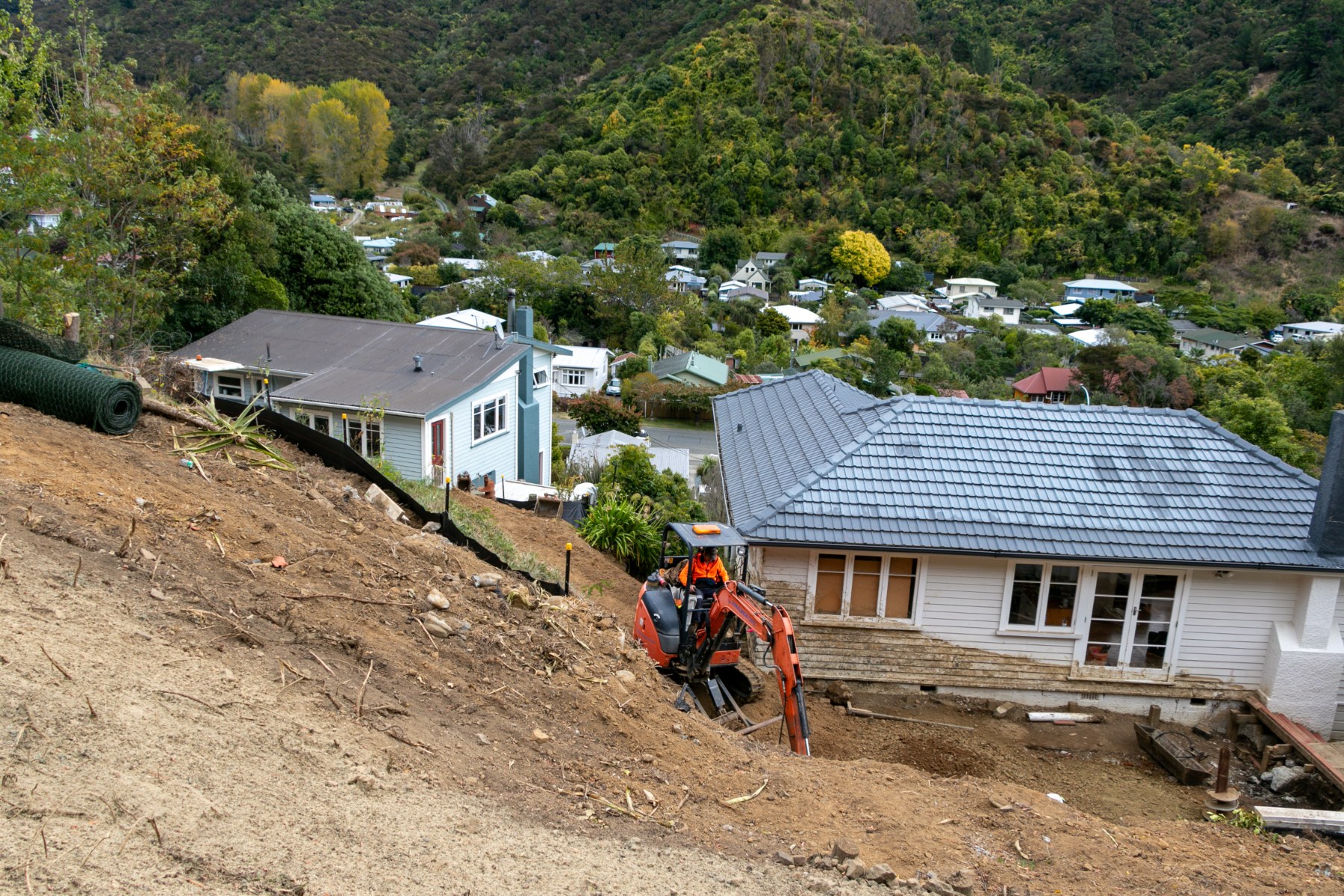
Recovery project on Brook Street clearing land to prepare for a debris fence.
"The completion of the slip recovery work is a major milestone," says Mayor Nick Smith. "This was the worst storm to hit our region in 50 years and the most complex work was the slip remediation programme. I applaud the Council staff, engineering consultants and contractors on getting these fixed ahead of schedule and under budget."
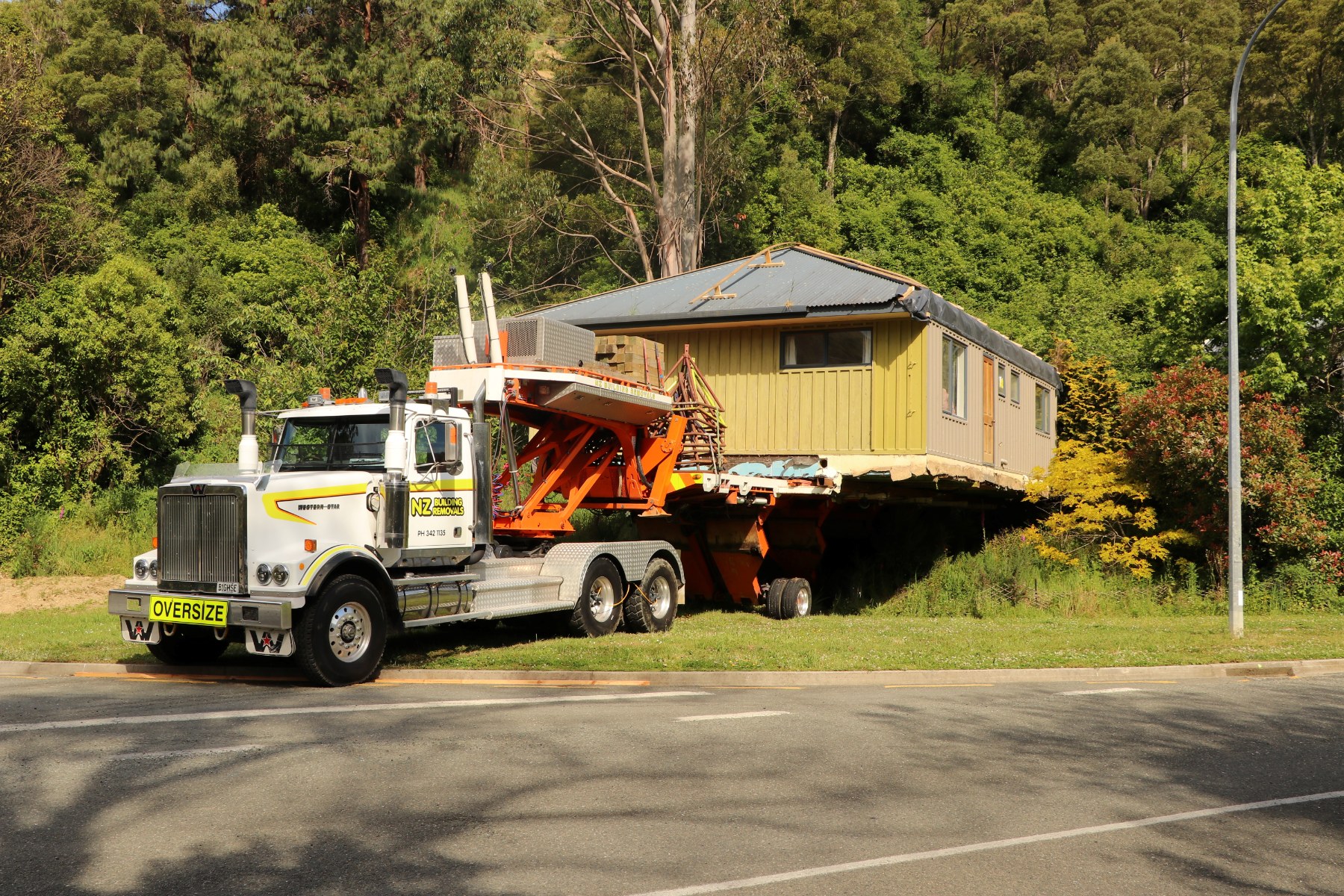
Council received $12.3M from central governments towards the recovery including $6M towards betterment (building back better) of a number of landslips, $6M towards property buy-outs and $300,000 towards monitoring of the Tāhunanui slip. Council, with this funding from Central Government, spent close to $10 million purchasing 20 properties damaged in the event, including 13 properties in The Brook.
The first house relocated from The Brook in January 2025.
“This milestone moment would not have been possible without Government support. The cost-sharing package totalling $12.3 million made the work affordable for the ratepayer. There are no easy answers when property owners are affected by such disasters and their homes are uneconomic to repair. Our pragmatic approach, with support from Government, enabled people to get on with their lives,” says Mayor Nick.
The decision by Council to purchase the Brook Street properties followed geotechnical investigations in November 2023 that indicated that the risk to properties from the land above the properties being Council-owned land, posed an unacceptable risk.
Attending to the slip (following removal of the properties), known as “slip zero”, this work was the last of the slip sites to be remedied, with four years’ of work culminating in construction of a protective bund and robust, resilient stormwater infrastructure.
"We're extremely lucky that the weather has allowed us to complete our recovery programme before our region experiences another significant weather event," says Executive Director Delivery Alec Louverdis.
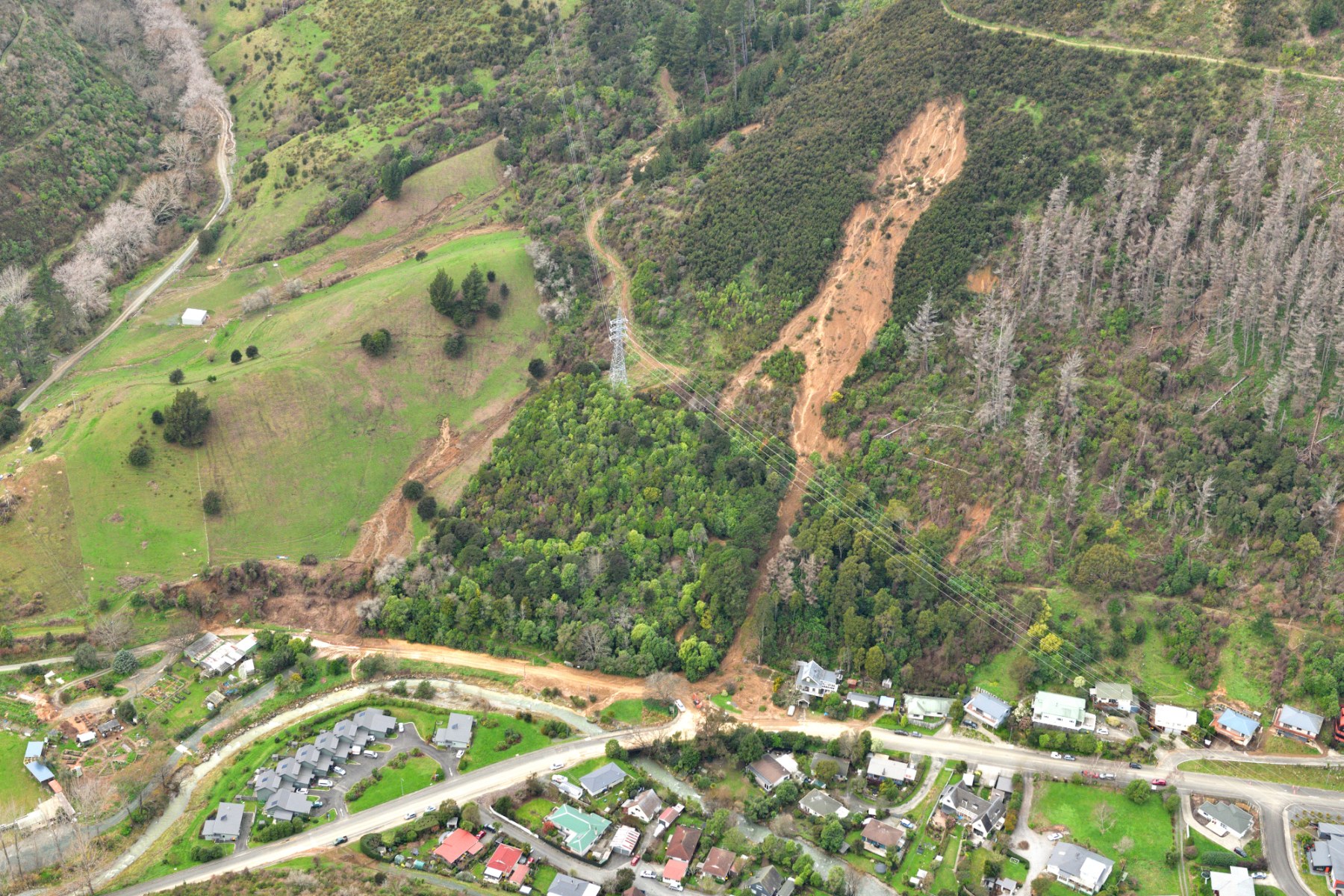
Drone image of a significant slip in The Brook following the August 2022 weather event.
A different fix for every site
Each slip site required its own unique approach. On Brook Street, Council built a debris fence never before used in Nelson, similar to barriers on SH1 near Kaikōura, constructing a mesh debris catch fence secured with ground anchors drilled six metres into the hillside. A smaller version of this was also used at the Miro Street slip site beneath the Grampians Reserve.
"We've undertaken remediation approaches that have never been done in Nelson before," says Louverdis. "While the underlying cause was the same at every site, a slip triggered by heavy rain, the remediation, approach and methodology for each was significantly different."
Elsewhere, a flying-fox rig carted materials across a steep gorge section of the river in the Maitai Valley to repair a 12-metre damaged section of Nelson’s above ground raw water pipeline from the Maitai Dams, complex operation that involved Council staff working with an array of private contractors.
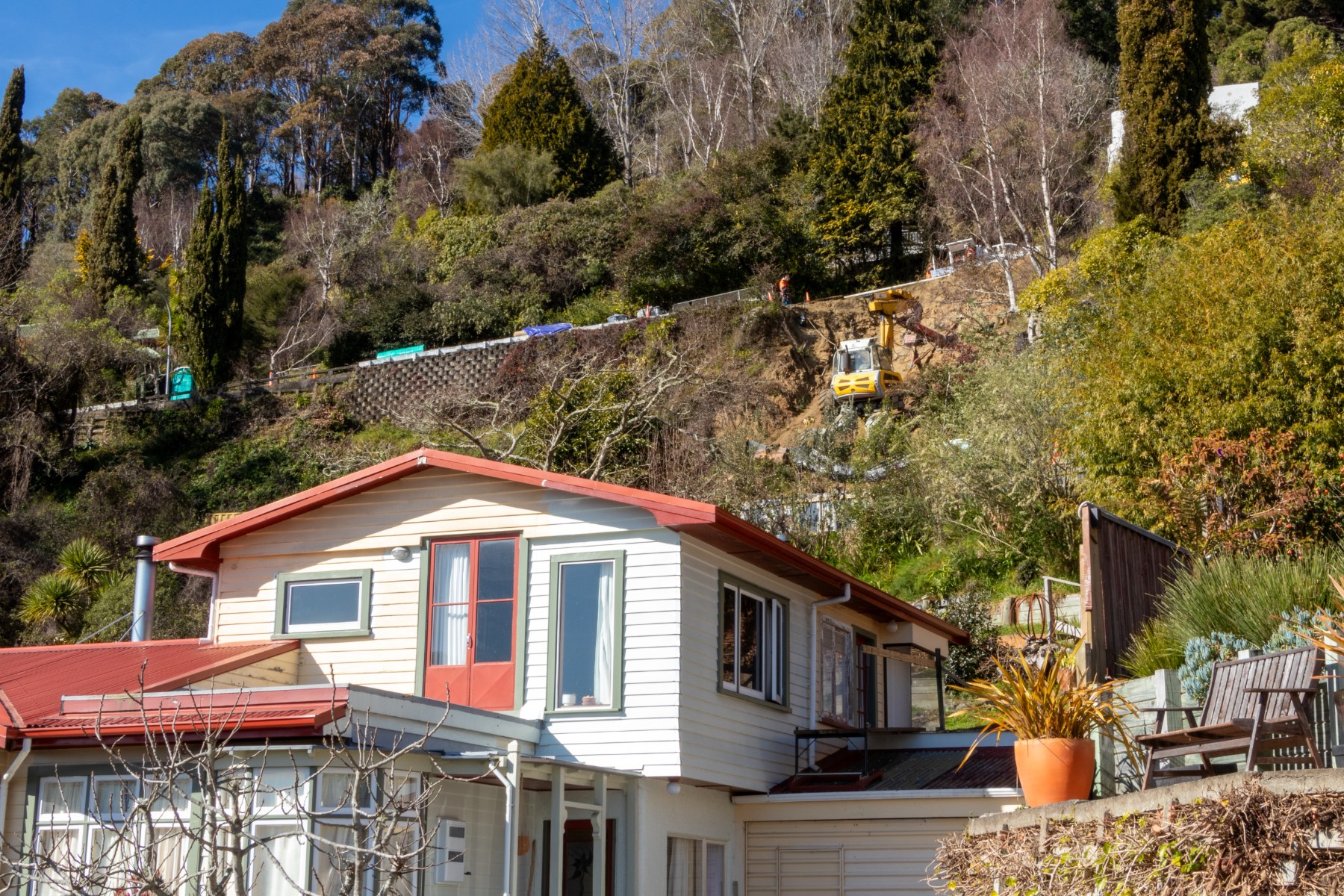
On Atmore Terrace, a spider-drill rig, a specialised machine built for steep, hard-to-reach sites, drilled 40mm-diameter ground anchors seven metres into the hillside to secure a concrete ground beam and concrete reinforced geomat mesh across the affected slope.
Spider-drill rig operating on cliffside behind a property.
Recovery complete, resilience work continues
While the slip recovery programme has finished, Council's wider resilience work continues. The first four stages of Regional Infrastructure Fund work in the Maitai are complete, with the final stage due to start in early 2027. Council is also in the planning stages of mitigation works in Little Todd Valley and Glenduan, alongside several smaller intake, culvert and rock-armouring projects already finished.
Council has been the recipient of $9M of central government funding via the Regional Infrastructural Fund.
"The potential for flooding is always a consideration, but our mindset has shifted from a 'when it happens' mentality to preparedness, planning and resilience," says Louverdis.
Marking the milestone
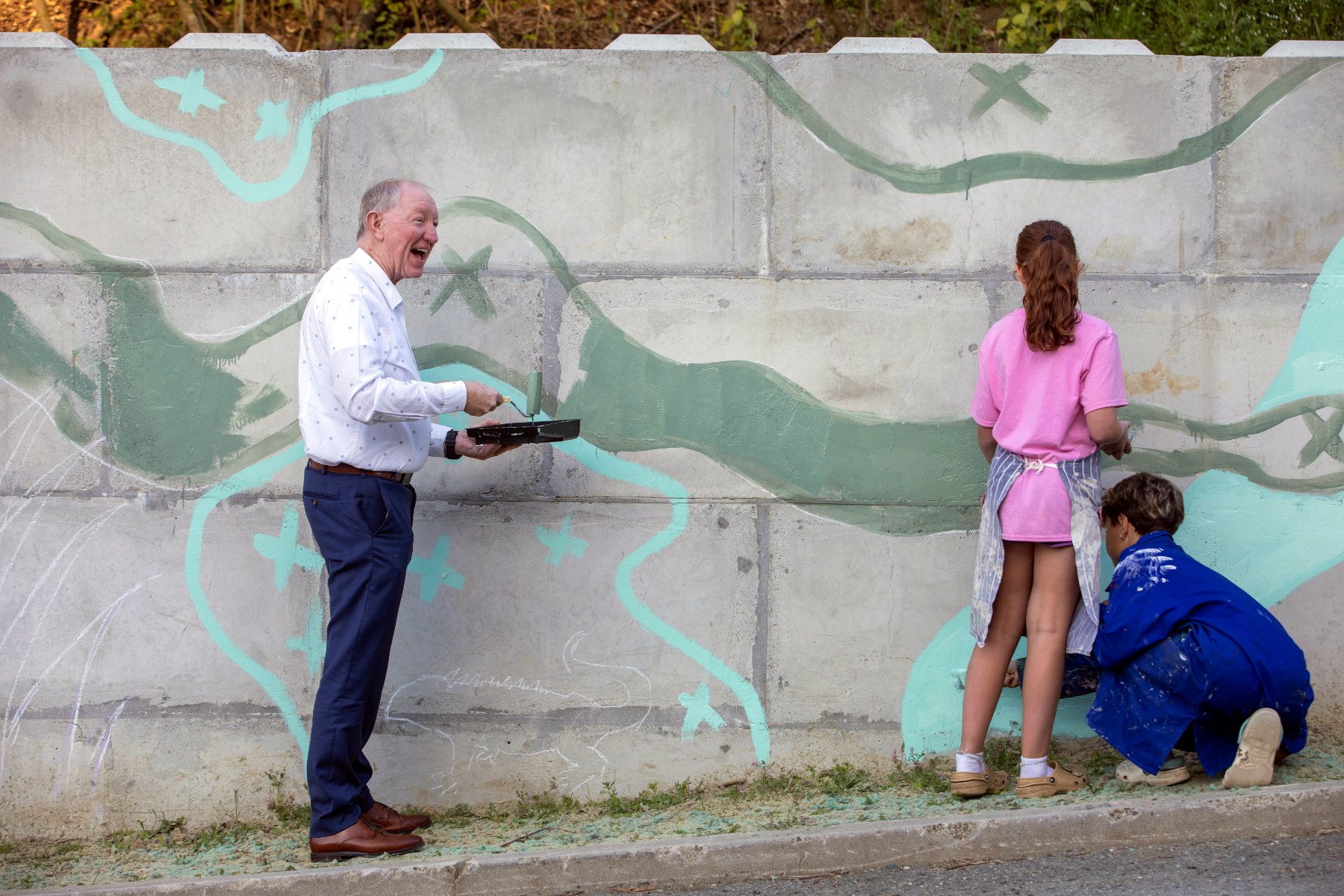
To mark the milestone, Mayor Nick, Nelson MP Rachel Boyack, contractors and Council staff gathered on Brook Street for a community barbecue and public art project. On a cold September morning, kaumātua and iwi blessed the site, returning it to the maunga it sits on. That afternoon, residents walked part of the new bund and stood side by side painting the concrete blocks that will now stand on Brook Street as storm protection.
Mayor Nick says that the work undertaken reflects a city that has come through the storm stronger than before.
"Nelson is a stronger, more resilient city than it was four years ago," he says.
"We've rebuilt smarter and better, we've looked after the people it hit hardest, leveraged funds off central government and we're better prepared for whatever comes next. That's something every Nelsonian can be proud of."
Mayor Nick with local kids Emerald and Julian painting the storm protection wall.
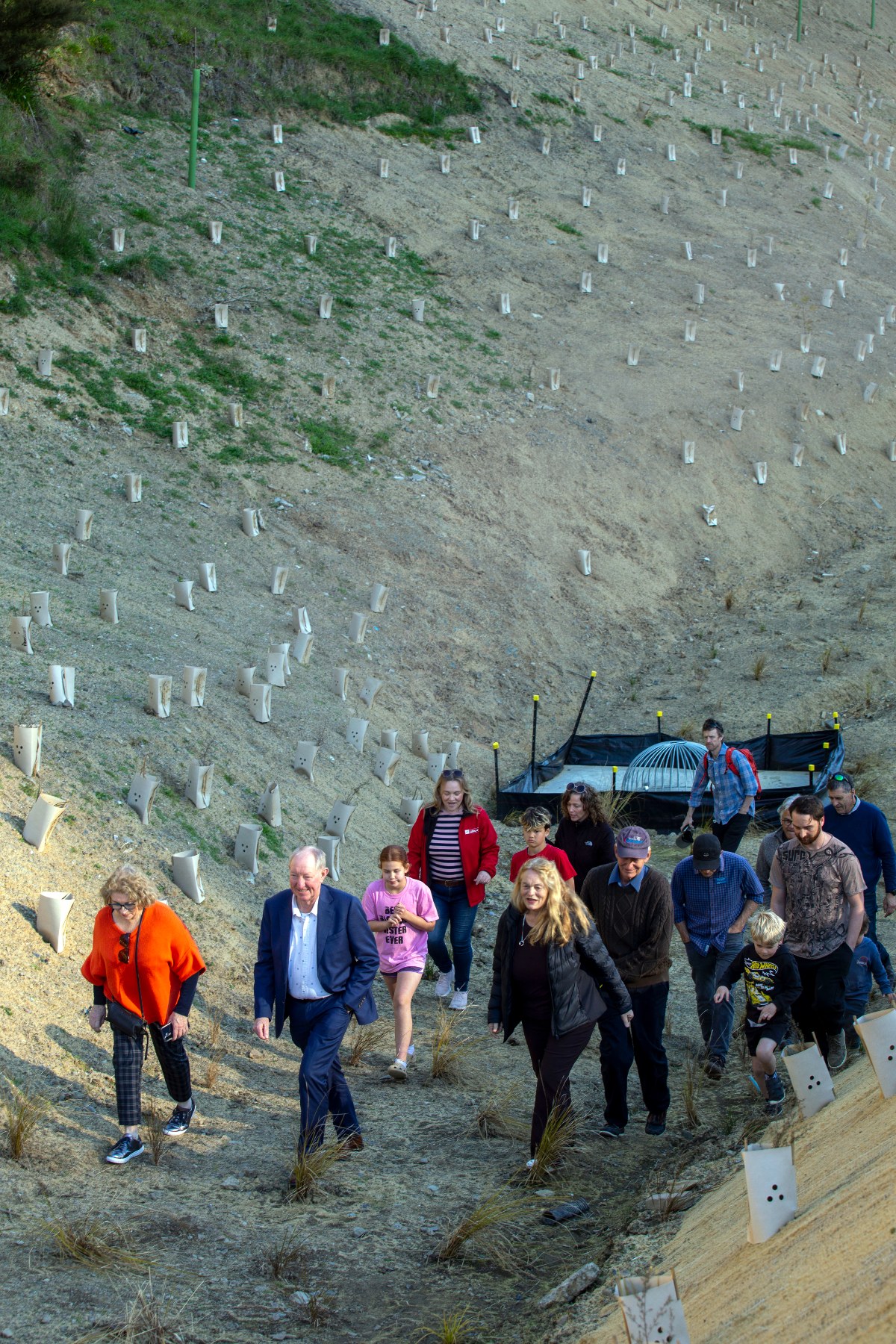
Mayor Nick and residents walk the swale inside The Brook bund.
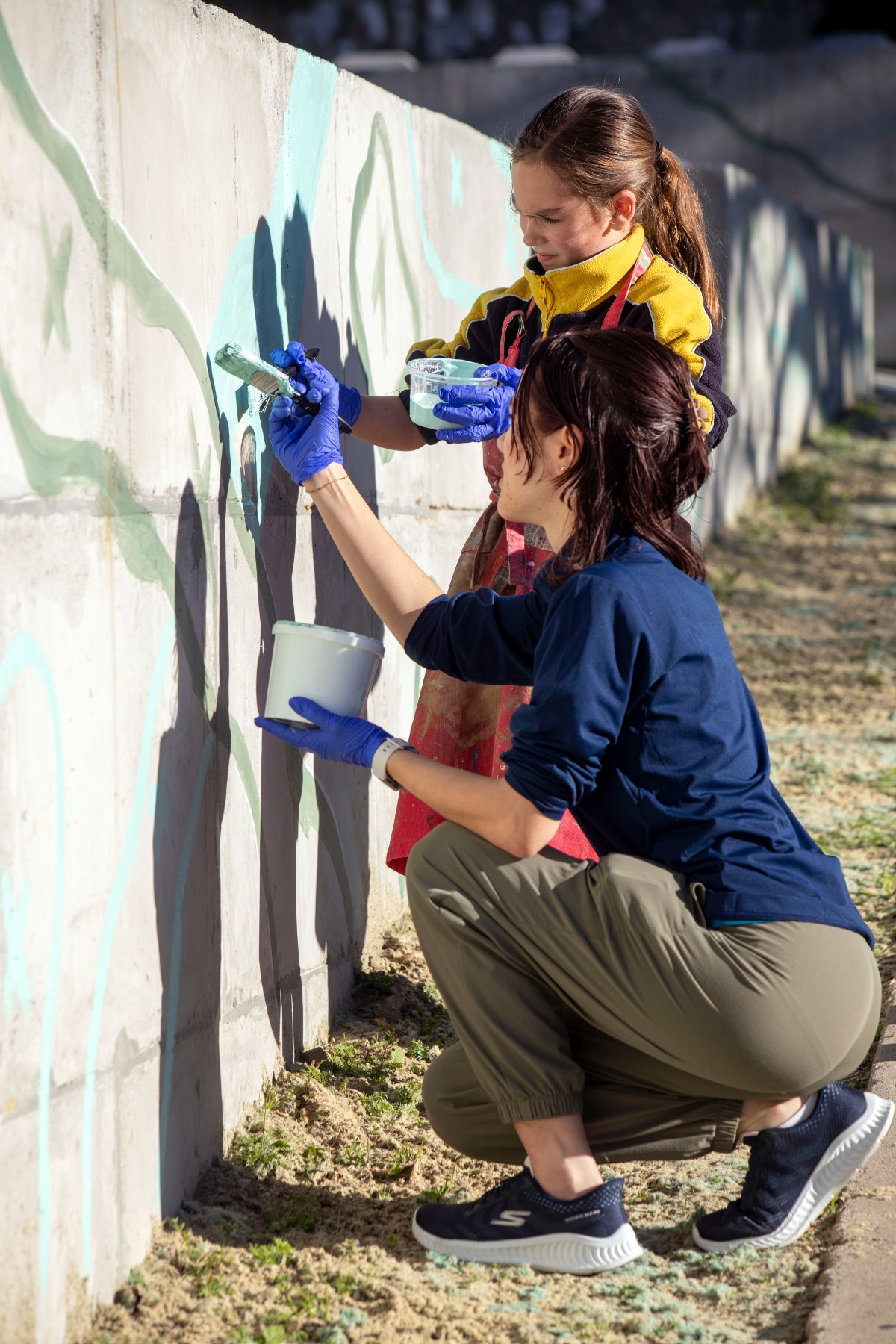
Local Brook residents painting the storm wall.
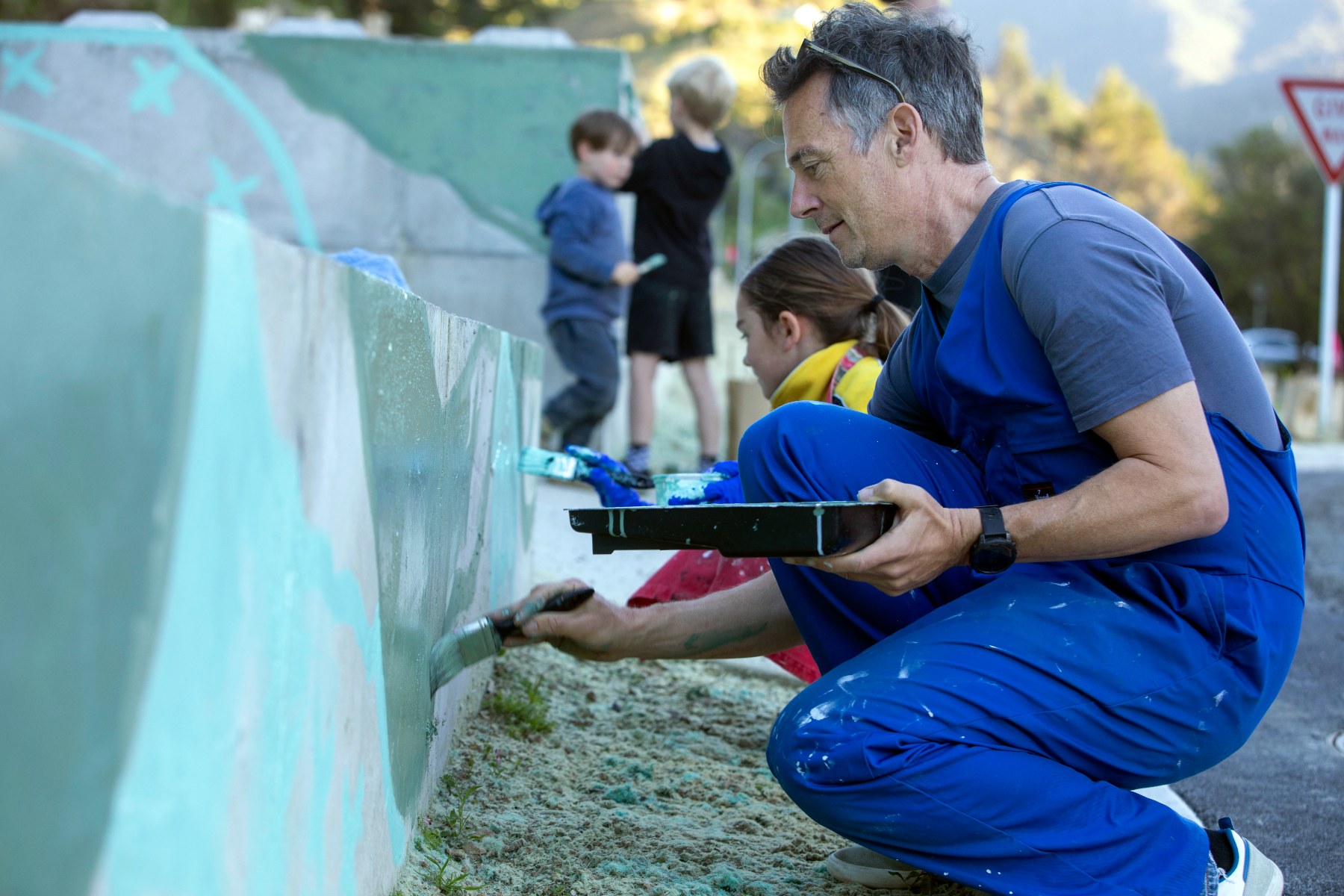
Klaas from NMIT leading the community artwork project. Once complete, the mural will become bright with foliage and hidden tuatara.