


Safety - Shared Pathways and Roads
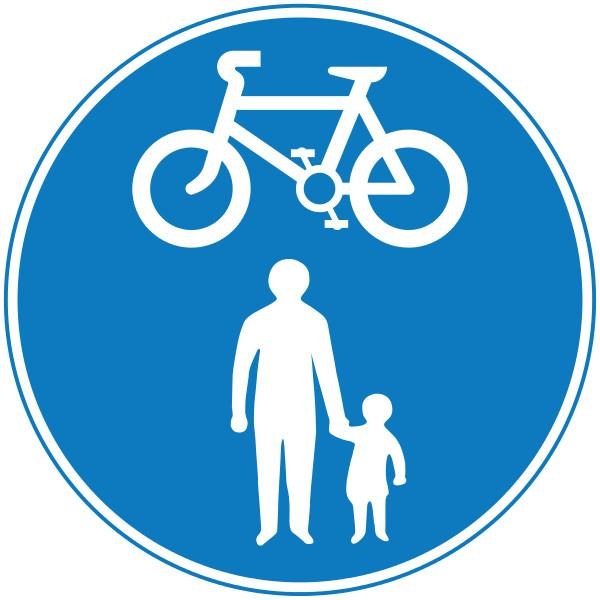
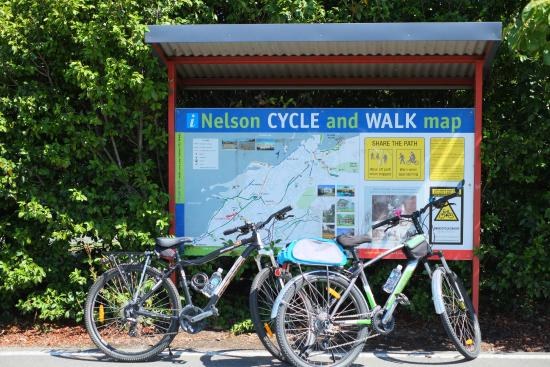
Be prepared, ride with care - key tips to keep in mind
- Watch for cars pulling out - Make sure drivers see you by making eye contact with them.
- Scan the road behind - Look back over your shoulder without losing your balance or serving from side to side.
- Be ready to brake - Always use front and rear brakes together for safe controlled braking.
- Avoid road hazards - Ride carefully over sewer grates, man hole covers, oil on surfaces, gravel, and railway tracks. Report hazards to the council. Be patient when approaching livestock on the road.
- Keep your bike in good repair - Adjust your bike to fit you, and keep it regularly maintained. Check brakes and tyres often.
- Use a pack or a rack to carry things - Saddlebags, racks, baskets, backpacks are all good ways to carry things, freeing your hands for safe cycling. Don’t ride with a heavy rucksack on your back or sling bags over your handlebars.
- Watch for opening car doors - Keep an eye out when going around parked cars on the side of a road.
- Lock bike when you're gone - Lock up to a post or bike rack. Thread the chain or cable through the frame and wheels.
- Bicycle details - Always keep a photo and serial number of your bike. Bike registration is not required.
- Tools to carry on your bike - Lock, allen/hex keys, pump, lights, spare inner tube, puncture repair kits, tyre levers.
- Wear bright or reflective clothing or leg/wrist bands - This makes you more visible to other road users, especially in low light or poor weather conditions, reducing the risk of accidents.
What cyclists would like motorists to know
Motorists and cyclists both have a right to use our roads - a right to safe and enjoyable travel. It's important for both groups to understand and respect each other's needs. Since cyclists are more vulnerable, drivers bear a greater responsibility to ensure their safety.
Rain, wind, and poor visibility make conditions worse for cyclists:
- Cyclists need extra room at intersections and roundabouts
- Cyclists ride out from the kerb to avoid drains, potholes and debris
- Cyclists turning right are exposed and need extra consideration
- Cyclists have to ride in the main traffic flow if parked cars block the left roadside
- Cyclists can be dazzled by full beam headlights, like everyone else
- Cyclists can be fast movers at 20km/h or more
What motorists would like cyclists to know
- Motorists become frustrated when cyclists ride without lights, ride erratically, ignore red lights, or hop on and off the footpath
- Motorists travel faster than cyclists and may have less time to take account of hazards
- Motorists may not always see cyclists especially at night or in wet weather
- Motorists become nervous when cyclists seem hesitant, move out suddenly or swerve around potholes
- Motorists can feel delayed by cyclists
Be bright on a bike
Legally, you must have a rear reflector on your bike when you ride on the road at any time. This must be red or yellow and must be large enough to be seen from 100 metres, without causing undue dazzle or discomfort to other road users.
When you ride on the road during the legal hours of darkness (from 30 minutes after sunset, until 30 minutes before sunrise), or at any other time when there isn't enough light to see a person or vehicle that is 100m away - your bike must have:
- A steady or flashing rear-facing red light that can be seen at night from a distance of 100m.
- A steady or flashing forward-facing white light that can be seen at night from a distance of 100m.
- In addition to the two lights above, you can also display a forward-facing white or amber light (only one forward-facing light may be flashing, however).
- Either yellow pedal reflectors on the forward and rearward facing surfaces of each pedal, or reflective clothing (eg. reflective straps attached to the lower part of your legs).
