


Pedestrian Crossings
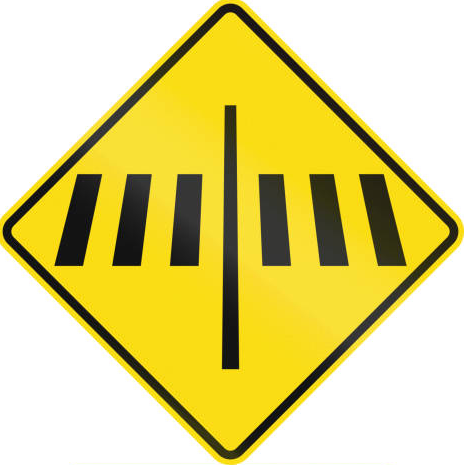
Zebra Crossing
Pedestrians
Stop, look, and listen. Pedestrians don't automatically have the right of way at crossings - always wait and ensure vehicles have time to stop before stepping out. Never assume that drivers have seen you at the crossing. Make eye contact with a driver before crossing; and when they do stop, give them a smile.
Drivers
The law requires drivers to give way to pedestrians on both sides of all pedestrian crossings, unless the pedestrian crossing is divided by a traffic island. Look out for pedestrians, slow down and be prepared to stop.
Pedestrian Refuge Island
Pedestrians
Pedestrian refuge islands are designed to give pedestrians a chance to cross a street in two stages. The refuge gives you a safe place to wait before making the second stage of the crossing. So, think before you step: these refuges are not zebra crossings. It is your responsibility as a pedestrian to cross only when there is a break in the traffic.
Drivers
At pedestrian refuges, drivers are not required to stop for pedestrians but must be prepared to stop if necessary. Stopping for pedestrians at refuge islands can create a hazard for vehicles following behind.
Courtesy Crossing
Courtesy crossings or raised platforms are not official pedestrian crossings. The changed surface alerts drivers to reduce their speed and to be aware of pedestrians.
Pedestrians
Don't just step out onto the crossing. Have a look first, make eye contact with drivers and smile. It's about courtesy, let cars cross if they've been waiting awhile.
Drivers
Go slow, smile, and remember that pedestrians are fragile. It's about courtesy, let pedestrians cross if they've been waiting awhile.
Kea Crossing
Pedestrian crossings are well understood by walkers and drivers alike, but the 'kea'crossings used near schools aren't so well understood.
Unlike normal pedestrian crossings, kea crossings do not have 'zebra' stripes on the road and are only operational during the start of the school day, the end of the school day, and sometimes during the lunch hour. When a kea crossing is operational, it acts like a pedestrian crossing.
