Ecosystems
An ecosystem is a community of plants, animals, and other living organisms interacting with their environment, including soil, water, and climate.
Together they support biodiversity, provide clean water, store carbon, reduce erosion and flooding, and create places for people to connect with nature.
Healthy ecosystems are essential for the survival of native species and help make our environment more resilient to challenges such as pests, habitat loss, and climate change.
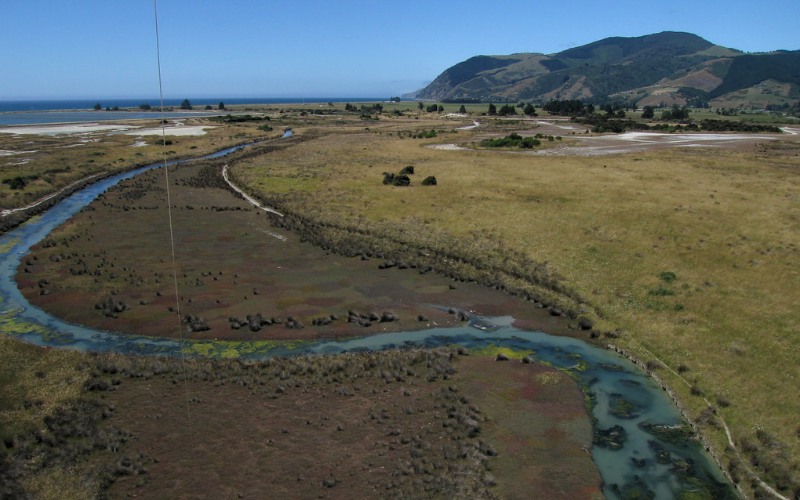
Wakapuaka Sandflats in Nelson.
Ecosystems in Nelson
Nelson is home to a diverse range of ecosystems that support native plants, animals, and biodiversity. These include:
- Native forests that provide habitat for birds, lizards, insects, and other wildlife, while also storing carbon, stabilising soils, and helping maintain water quality.
- Rivers, streams, wetlands, and headwater catchments that support fish, kōura (freshwater crayfish), and aquatic invertebrates, while helping regulate water flow and supplying drinking water to Nelson.
- Coastal and estuarine environments that connect land and sea, providing important habitat for seabirds and shorebirds, and nursery areas for marine species.
- Specialised ecosystems associated with ultramafic and limestone soils, which support unique and often stunted plant communities found in few other places. The Dun Mountain area is internationally recognised for its distinctive geology and ecology and supports species specially adapted to these challenging conditions. Learn more about Dun Mountain.
Together, these ecosystems provide valuable environmental, cultural, and recreational benefits, and play a vital role in maintaining the health and resilience of Nelson's natural environment.
Threats to Our Ecosystems
Nelson's ecosystems face a range of pressures that can affect their health and resilience, including:
- introduced pests and predators
- browsing animals such as deer, goats, and possums
- invasive weeds
- habitat loss and fragmentation
- changes in land use
- climate change and extreme weather events
These pressures can alter habitats, reduce biodiversity, limit natural regeneration, and make it more difficult for native species to thrive.
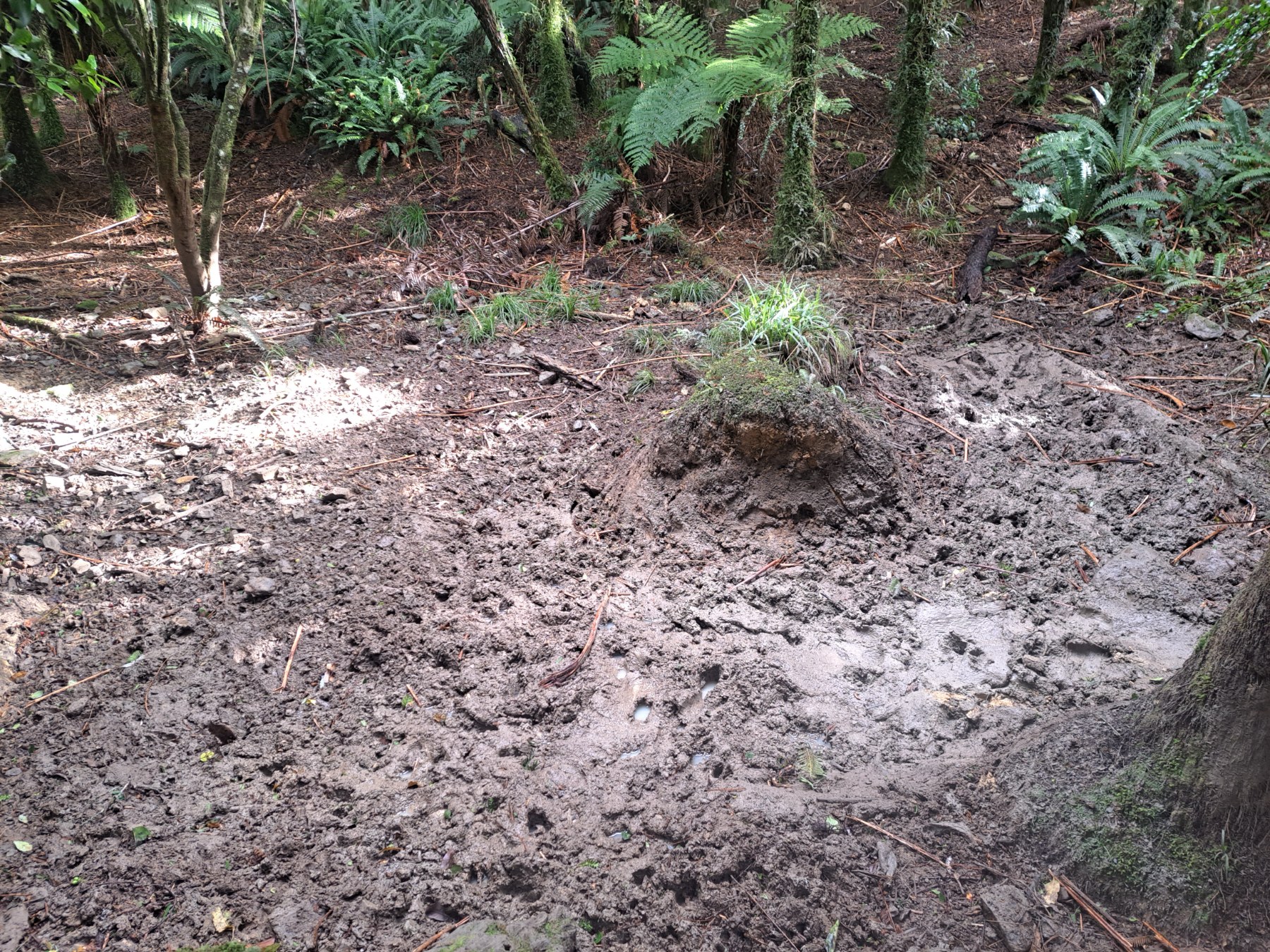
Heavy browsing by deer, goats, and pigs can prevent native plants from regenerating, leading to simplified forest understoreys and long-term ecosystem decline.
What We're Doing
Nelson City Council helps protect and restore ecosystems by:
- monitoring ecosystem health through vegetation monitoring and bird monitoring programmes
- managing pests, predators, and invasive weeds in priority areas
- supporting habitat restoration and revegetation projects
- protecting significant natural areas and ecological corridors
- working with iwi, community groups, landowners, and partner organisations
- improving our understanding of ecosystem condition and biodiversity trends through ongoing monitoring and research
This work helps guide conservation efforts and ensures resources are directed where they can have the greatest benefit.
What You Can Do
You can help protect Nelson's ecosystems by:
- planting and maintaining native vegetation
- supporting local restoration and pest-control projects
- protecting waterways, wetlands, and coastal margins
- controlling weeds and pests on your property
- avoiding the spread of pest plants and animals
- respecting sensitive habitats when visiting natural areas
Small actions across many properties and communities can make a significant difference to the long-term health of Nelson's ecosystems.
Healthy ecosystems rely on community action. Visit our What You Can Do page to find out how you can help care for Nelson’s natural environment.
Resources and Useful Links
- Wildlife in the Nelson Region (1987) - A historical record of indigenous wildlife and significant habitats across the Nelson and Tasman regions.
- Native Plants
- Native Animals
- Bird Monitoring
- Vegetation Monitoring
- Biosecurity
- Department of Conservation: Habitats
- Landcare Research / Manaaki Whenua: Ecosystem resilience