Vegetation Monitoring in Nelson
Monitoring vegetation helps Council understand the health and structure of native ecosystems, track changes over time, and assess the impacts of pests such as browsing animals.
Since 2013, Nelson City Council has been monitoring vegetation across key conservation areas, including the Maitai, Brook, and Roding Reserves.
Why We Monitor Vegetation
These reserves contain significant natural values, including:
- globally unique biodiversity and important habitats
- ecosystems that store carbon and reduce flooding and erosion
- drinking water catchments for Nelson
- important cultural sites and recreational areas
Vegetation varies across these reserves due to differences in soils, including specialised plant communities on ultramafic and limestone soils.
Monitoring helps identify:
- where vegetation is healthy or under pressure
- which species are regenerating
- where management action is needed
The Impact of Deer and Goats
Introduced browsing animals such as deer and goats (ungulates) are a major pressure on native vegetation.
New Zealand plants evolved without mammalian browsers, so many species lack defences and are highly vulnerable.
Ungulates:
- selectively eat the most palatable plants
- prevent seedlings from establishing
- gradually change forest composition
Over time, this can lead to:
- loss of palatable native species
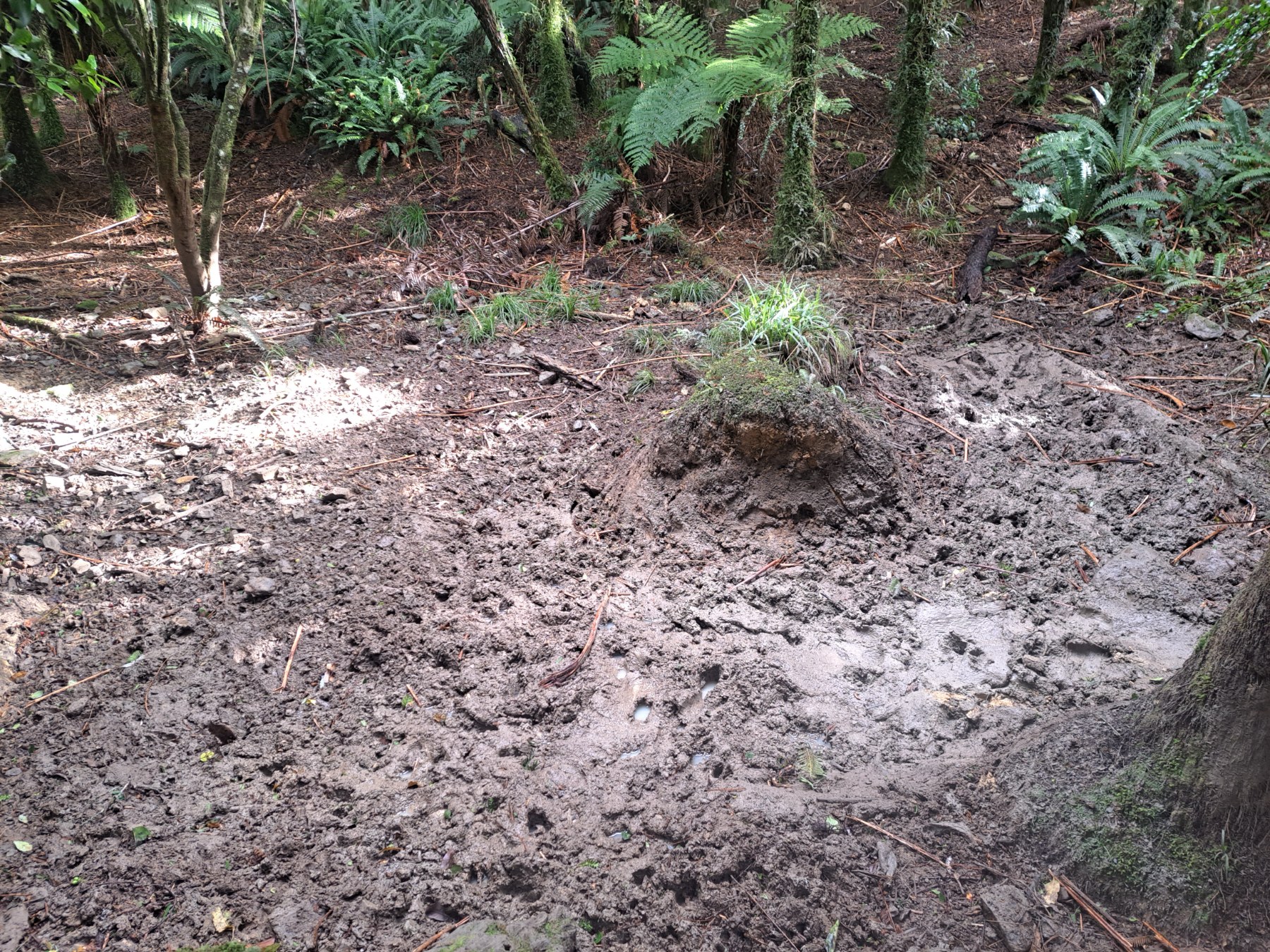
- bare or simplified forest understorey
- dominance of less palatable plants
- long‑term changes to ecosystem structure
Even low numbers of deer or goats can cause significant damage.
Bare Understory. Photo credit A. Wards
How We Monitor Vegetation
Council uses a method called the Seedling Ratio Index (SRI), developed by Manaaki Whenua – Landcare Research.
This measures the balance between:
- plant species that animals prefer to eat
- those they avoid
Survey method
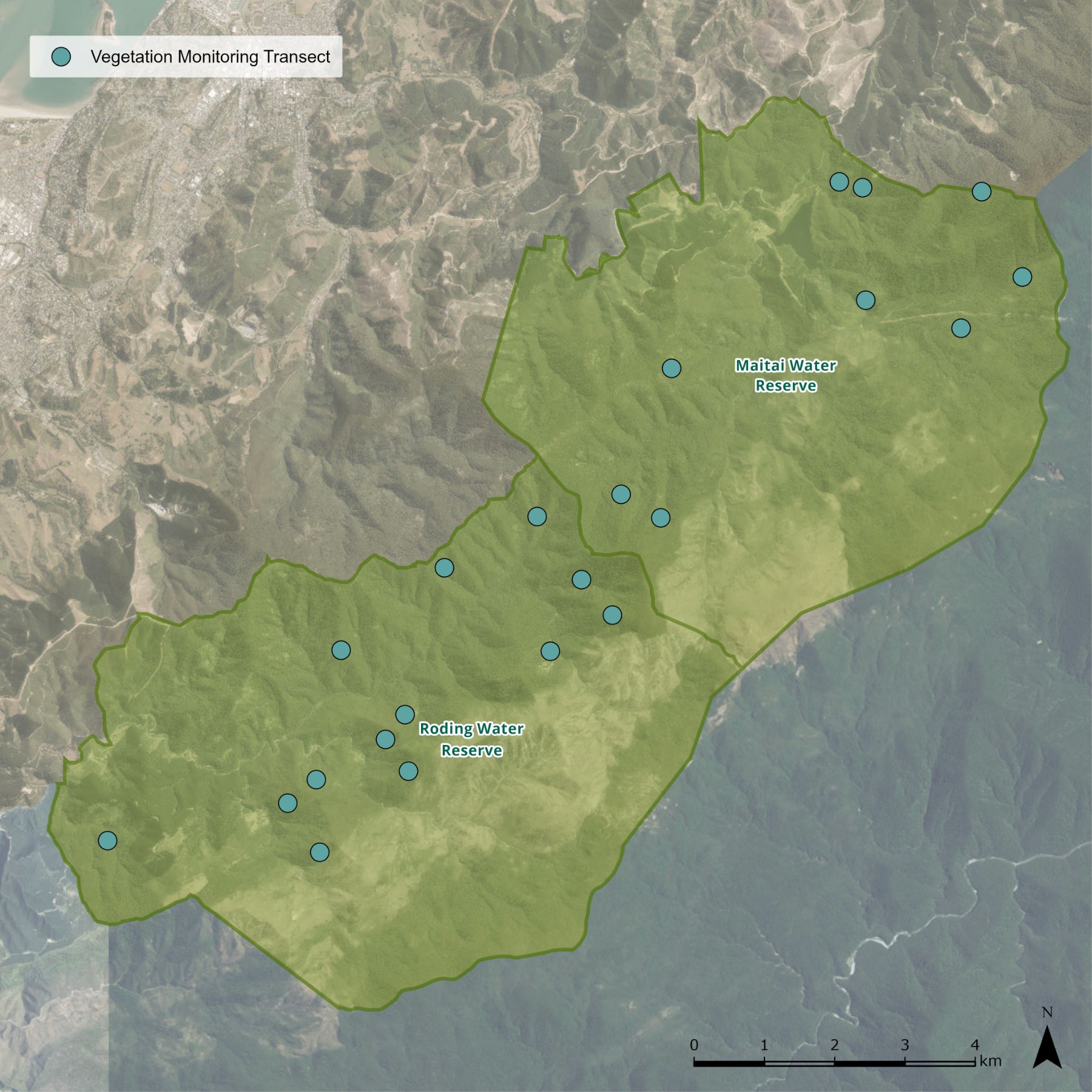
- Monitoring is carried out along transects across different vegetation types
- Each transect is 400 metres long with 20 survey points
- At each point, seedlings are counted and recorded:
- Short seedlings (under 30 cm)
- Tall seedlings (30 cm to 2 m)
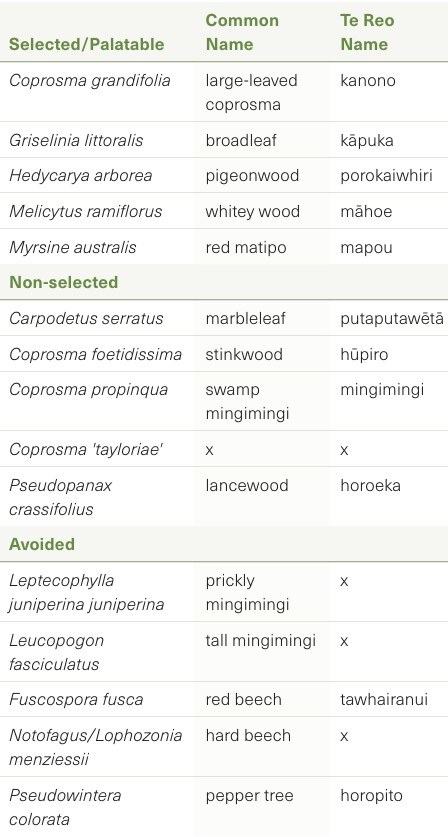
Plants are grouped into categories based on how likely they are to be eaten:
- preferred
- not selected
- avoided
This allows Council to track regeneration and browsing pressure over time.
Vegetation Monitoring Transect Locations
What We’re Seeing
Monitoring results from 2013 to 2023 show that browsing by deer and goats is having a significant impact on native vegetation in Nelson’s conservation reserves.
- Palatable plant species are not regenerating as expected, with consistently low seedling numbers
- Forest understorey composition is shifting toward less palatable species
- Browsing pressure has increased over time, with animals now feeding on species they previously avoided
- Regeneration rates have slowed across multiple plant groups
These changes affect not just individual species, but the structure and long‑term health of forest ecosystems.
See Table: Examples of Plant Palatability
What We’re Doing
Council is responding through monitoring, pest management, and long‑term planning:
- managing deer and goat numbers through recreational and contracted hunting
- using vegetation monitoring to assess ecosystem health and guide decisions
- targeting pest control in areas of high ecological value
- managing other threats such as possums, pigs, predators, and pest plants
- continuing long‑term monitoring to track changes over time
- exploring options to protect vulnerable areas, including fenced exclosures
Monitoring shows that protecting sensitive vegetation will require very low levels of browsing animals, particularly in fragile ecosystems.
Sites such as the Brook Waimārama Sanctuary, where browsing animals are excluded, demonstrate the potential for significant regeneration when pressure is removed.
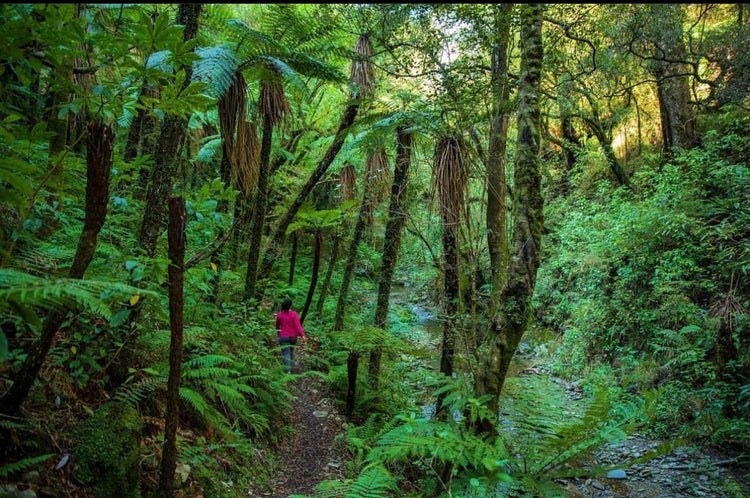
Brook Waimārama Sanctuary.
What You Can Do
You can help protect native vegetation in Nelson by:
- supporting or participating in pest control and restoration projects
- managing browsing animals where appropriate
- protecting and planting native species on your property
- controlling pest plants such as old man’s beard and wilding conifers
- avoiding damage to fragile vegetation areas
Community effort plays an important role in protecting Nelson’s biodiversity.
Check out all the ways you can get involved in protecting our nature - What You Can Do