Rural Catchments
Rural catchments are areas where rivers and streams flow through farmland, forestry, hill country, and open landscapes before entering estuaries and the sea. These catchments play a major role in shaping freshwater quality, river flows, and ecosystem health downstream.
Because rural catchments often form the upper and middle parts of river systems, how land is managed here has a strong influence on the condition of waterways throughout the whole catchment (ki uta ki tai).
Rural Catchments in Nelson
Nelson’s rural landscapes include a mix of farms, forestry blocks, regenerating native vegetation, and rural residential areas. Our rural catchments are split between four of our Freshwater Management Units (FMUs).
Wakapuaka FMU:
- Lower and Upper Wakapuaka River
- Ludd River
- Teal River
Whangamoa FMU:
- Lower and Upper Whangamoa River
- Onanga Bay/Omokau
- Dencker Creek
- Collins River
- Graham Stream
- Deleware Bay
Roding FMU:
- Roding River
Maitai FMU:
- Northern and Southern Branch Maitai River
- Sharland Creek
- Groom Creek
- Upper Brook Stream
Each rural catchment has different characteristics, depending on soil type, slope, land use, rainfall, and vegetation cover. These differences influence erosion risk, runoff, and water availability.
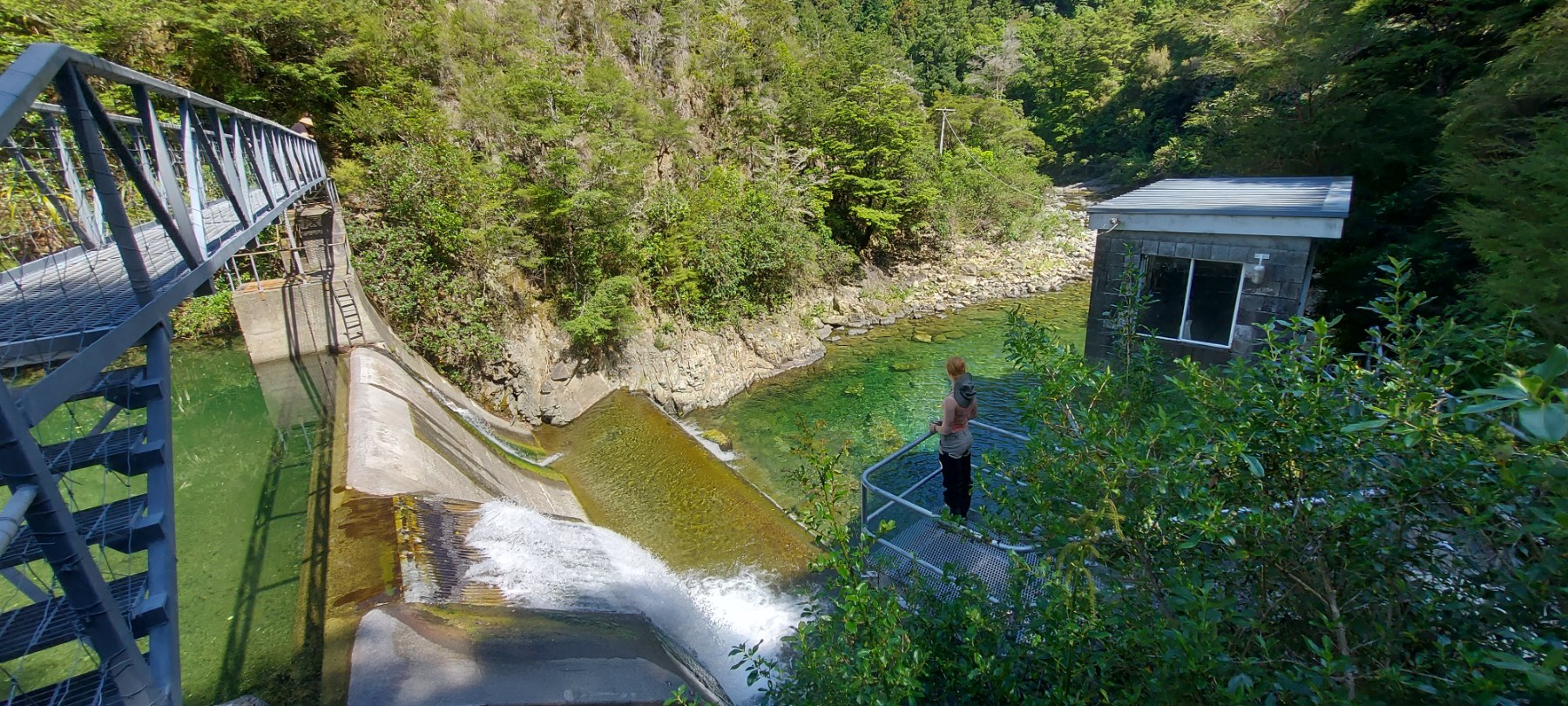
Roding River Dam
How Rural Land Use Influences Waterways
In rural catchments, rainfall interacts closely with soils, vegetation, and land use before entering streams and rivers. Activities on the land therefore have a strong influence on freshwater health throughout the whole catchment, from headwaters to estuaries (ki uta ki tai).
Rural land use can affect waterways through:
- soil erosion and sediment loss, particularly from slopes, tracks, and gullies
- stock access to streams, leading to bank damage and direct contamination
- runoff during rainfall events, carrying nutrients and bacteria into waterways
- changes in vegetation cover, which influence runoff, shading, and flow patterns
- forestry harvesting and earthworks, which can increase sediment loss if not well managed
These land‑based pressures shape key aspects of freshwater health, including:
- water quality, such as sediment, nutrients, and bacteria
- river flows, especially during low‑flow and flood conditions
- habitat connectivity for native fish and other freshwater species
- the condition of estuaries and coastal environments downstream
Because water moves across entire catchments, even small changes made upstream can have significant effects further downstream.
See Monitoring Water Quality and Monitoring Water Quantity (River Flows & Levels) for more information.
What We're Doing
Improving freshwater health in rural catchments focuses on managing impacts at their source and supporting sustainable land management.
Nelson City Council supports rural catchment health through:
- integrated catchment planning aligned with FMUs
- freshwater quality and flow monitoring
- erosion and sediment‑reduction programmes. e.g. Hill Country Erosion Programme
- advice and support for rural landowners
- delivery of Healthy Streams projects
- partnerships with landowners, iwi, and community groups
Wakapuaka Mouri Planting
What Can You Do?
If you live or work in a rural catchment, you can:
- protect streams and wetlands on your land
- manage erosion and runoff
- fence stock from waterways
- take part in restoration or planting projects
- work with neighbours at a catchment scale
- talk with Council early about land and water management
Small actions across a catchment can make a meaningful difference.
Resources & Useful Links
- Healthy Streams Programme
- Rural Land Hub
- Managing Erosion and Sediment Loss
- Sustainable Land Management - Soil Erosion
- Sustainable Land Management - Water Quality - Fencing and Planting
- Sustainable Land Management - Water Quality - Managing Pollutants
- Sustainable Land Management - Good Management Practices
- Land Environment Plans for small block owners