


E.Coli
E. coli (Escherichia coli) bacteria are naturally found in the gut of warm‑blooded animals, including humans. They can enter rivers and streams:
- directly, from wild or domesticated animals standing or swimming in water
- indirectly, when faecal matter on land is washed into waterways during rainfall
E. coli can persist in soils and sediment for weeks, and in some cases longer. This means contamination can remain in the environment even after an obvious source is no longer present.
While many strains of E. coli are harmless, some can cause illness if ingested. Because E. coli is relatively easy to measure, it is routinely used as an indicator of faecal contamination. Elevated E. coli levels can signal the presence of other harmful bacteria, viruses, or pathogens in the water.
High E. coli levels can make waterways unsafe for contact recreation (such as swimming) and unsuitable for stock drinking water.
Monitoring E.coli
Council monitors E. coli at selected freshwater and swimming sites through the summer months as part of its freshwater quality monitoring programme.

- Maitai River - Sunday Hole
- Maitai River - Maitai Campground
- Maitai River - Girlies Hole
- Wakapuaka River - Paremata Flats
- Wakapuaka River - Hira Reserve
Results help:
- inform public health advice for swimming
- identify trends and problem areas
- guide restoration and catchment‑based action
- assess the effectiveness of land and stream‑side management
Monitoring results are shared through LAWA – Can I Swim Here? and Council reporting.
Reducing E. coli at the Source
The most effective way to reduce E. coli in waterways is to manage it on the land, before it reaches streams and rivers.
Riparian Fencing and Planting
Fencing and planting stream margins is one of the most effective measures.
- Fencing prevents livestock from depositing faeces directly into waterways and reduces streambank erosion and bed compaction from trampling.
- Riparian planting and maintaining longer grass on riverbanks help stabilise banks, slow surface runoff, and filter bacteria before it enters the stream.
Additional actions that help reduce E. coli include:
- installing small wetland or filter systems at low points where runoff enters streams
- planting or protecting ephemeral streams that flow during rainfall and can wash contamination into waterways
- maintaining septic tanks in rural residential areas to prevent leakage or overflow
Together, these actions reduce faecal contamination and improve water quality over time.
What We're Doing
Council works with landowners, community groups, and organisations such as Landcare Trust NZ to provide guidance and practical resources on:
- managing runoff and pollutants
- stock exclusion and riparian planting
- improving freshwater outcomes at a catchment scale, through programmes like Healthy Streams
These partnerships help support long‑term improvements in water quality.
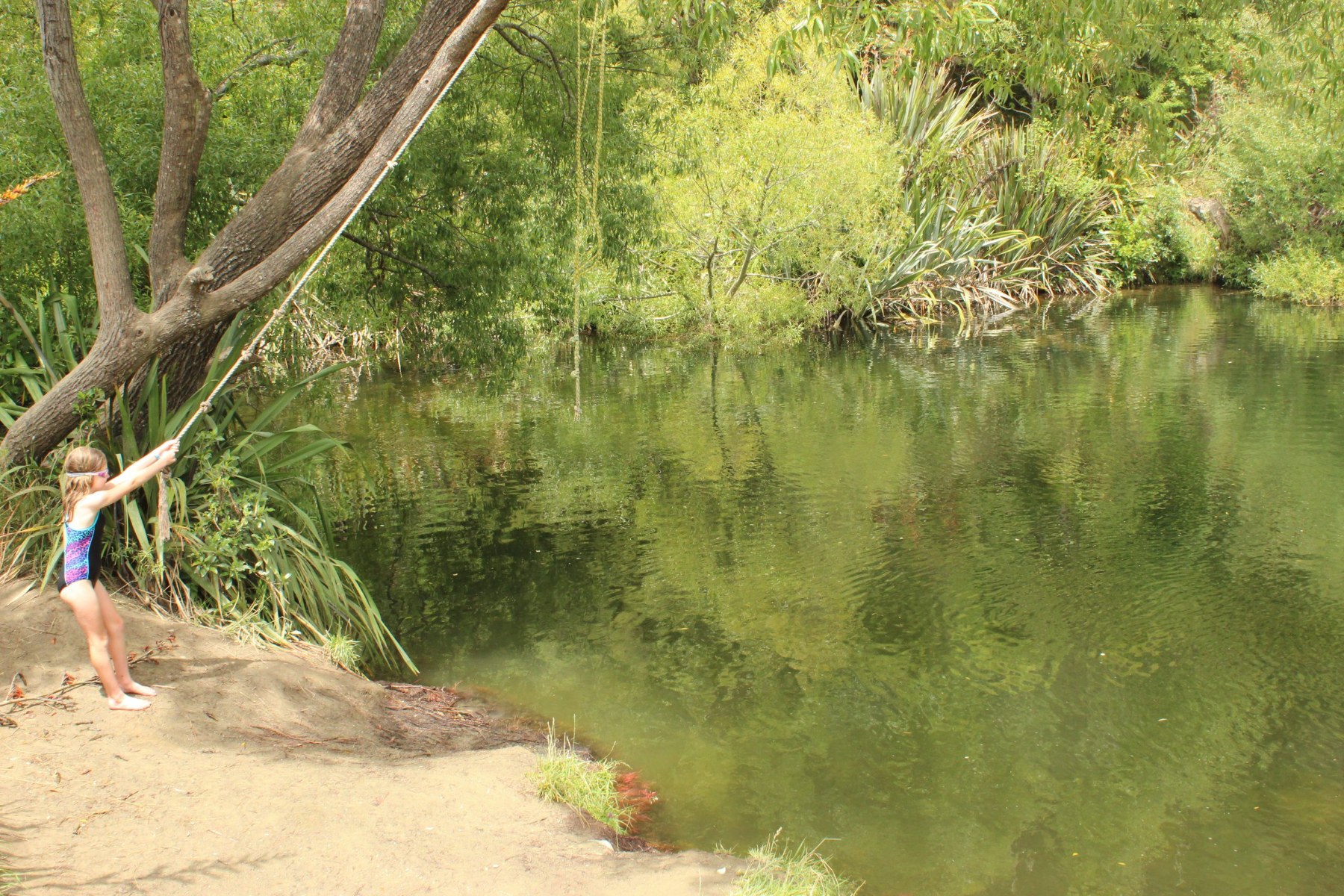
Maitai River at Sunday Hole
What Can You Do
- Avoid swimming in rivers with Poor grades or high E. coli levels
- Do not swim for 2–3 days after heavy or prolonged rain
- Fence stock out of waterways and maintain riparian vegetation
- Check and maintain septic systems regularly
- Support or join catchment restoration projects
- Check LAWA – Can I Swim Here? before swimming
Frequently Asked Questions
What is E. coli and why is it measured?
E. coli is a type of bacteria found in the gut of humans and animals. While many strains are harmless, E. coli is used as an indicator of faecal contamination, as high levels can signal the presence of other harmful bacteria, viruses, or pathogens in water.
Is all E. coli harmful?
No. Many strains of E. coli are harmless. However, high levels increase the risk of illness if water is swallowed, which is why E. coli is used to assess whether water is suitable for swimming or stock drinking.
How does E. coli get into rivers and streams?
E. coli can enter waterways:
- directly, from animals or people in the water
- indirectly, when faecal material on land is washed into waterways during rainfall
It can also persist in soil and sediment for weeks, meaning contamination may remain even after rainfall events have passed.
Can a river look clean but still have high E. coli levels?
Yes. Water can appear clear and still have elevated E. coli levels. E. coli is not visible, which is why monitoring and health warnings are important.
Why are E. coli levels often higher after rain?
Rainfall can wash contaminants from urban and rural land into rivers and streams. As a precaution, it’s recommended to avoid swimming for 2–3 days after heavy or prolonged rainfall, even at sites that usually have good water quality.
How do I know if it’s safe to swim?
Check LAWA’s “Can I Swim Here?” before swimming. This shows the most recent monitoring results and long‑term recreation grades. Also:
- avoid swimming after heavy rain
- don’t swim if the water looks cloudy, discoloured, or polluted
- follow any warning signs at the site
Is E. coli dangerous for dogs and livestock?
Yes. High E. coli levels can be harmful if ingested by animals. Dogs and livestock are exposed when drinking water or licking contaminated fur or hooves.
Why aren’t all rivers monitored?
Monitoring focuses on high‑use swimming sites and known risk areas. Because conditions can change quickly, visual checks, rainfall awareness, and caution are always important — even at monitored sites.
Who should I contact if I’m concerned about water quality?
You can:
- check LAWA – Can I Swim Here? for current conditions
- contact Council if you notice signs of pollution
